

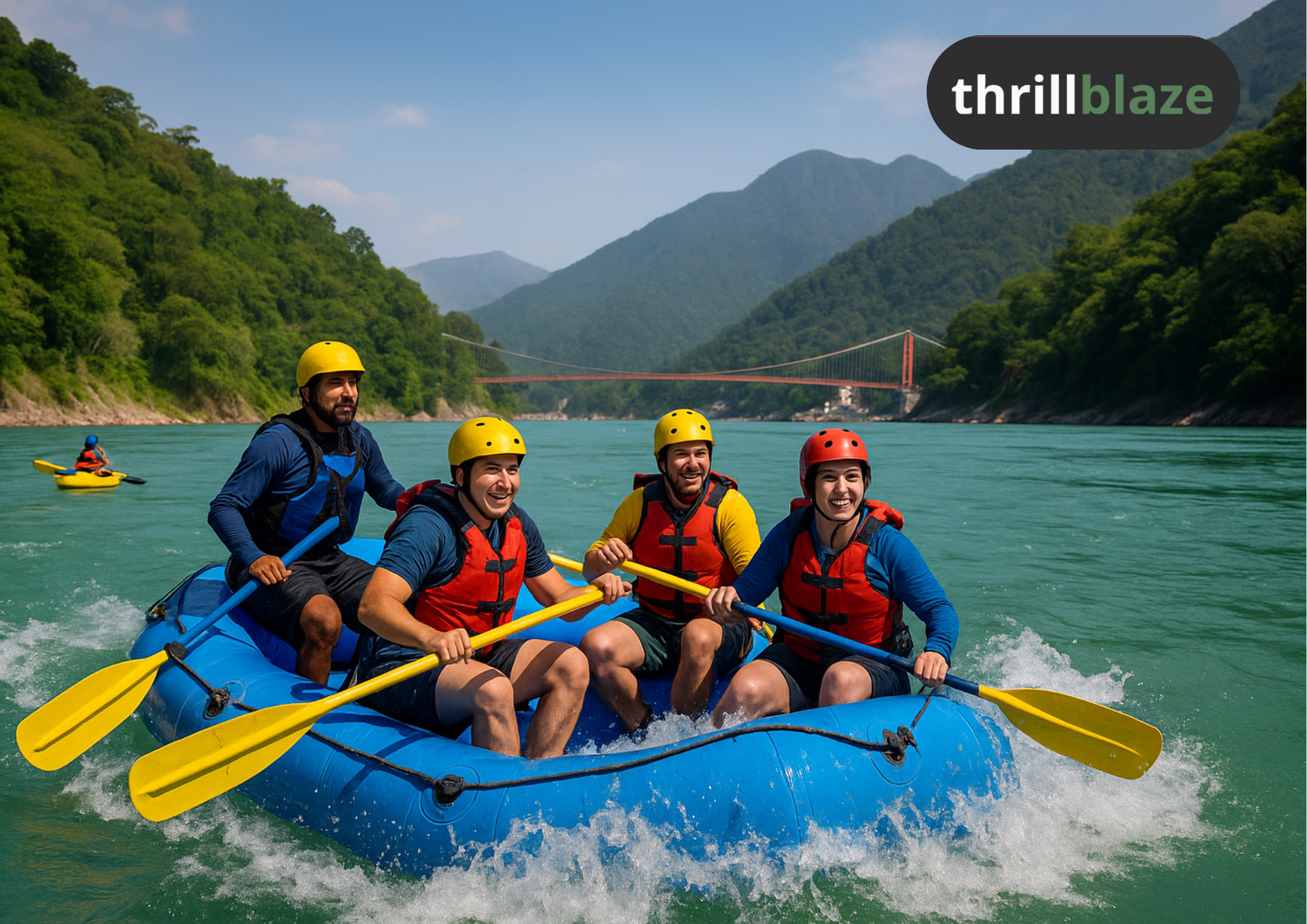

When you are planning your maiden river rafting trip in Rishikesh, the first thing that comes to mind is safety. The question is, is river rafting in Rishikesh safe? The answer is a resounding yes — as long as you choose good operators who never compromise on safety for shortcuts.
Rishikesh has dominated the market as the best rafting experience in India — not only because of its exciting rapids but also due to its well-built safety measures and professionalism. This guide covers all the safety concerns first-time visitors may have so that the question “is rafting safe in Rishikesh?” never holds you back from enjoying this great adventure.
If you’re an adventure enthusiast, apart from rafting, you can also experience Bungee Jumping in Rishikesh, Giant Swing Rishikesh, or the exhilarating SCAD Jump in Rishikesh for an extra dose of thrill.
Understanding Rishikesh’s Safety Standards
When evaluating whether Rishikesh is safe for river rafting, it’s crucial to understand that the adventure industry here has matured over the last two decades. Established operators such as Trillblaze and its partners maintain safety measures that meet international standards — making River Rafting in Rishikesh one of the safest adventure activities in India.
Professional Safety Infrastructure
The safety of river rafting in Rishikesh is backed by robust systems and certified professionals. Reputable operators make significant investments in:
Certified Gear
All rafting equipment — including life jackets, helmets, paddles, and rafts — adheres to Bureau of Indian Standards (BIS) certification. Trillblaze uses internationally certified gear, inspected frequently and replaced before the end of its safe working life.
Trained River Guides
Professional guides undergo rigorous training in river reading, rescue, first aid, and emergency management. Only licensed guides with 3–5 years of experience are hired, ensuring every Rishikesh rafting trip is handled by experts.
Safety Kayakers
Experienced kayakers accompany rafts on challenging routes to offer instant rescue if participants fall in. Their quick action enhances confidence, especially for first-timers.
Riverside Support Teams
Ground crews monitor expeditions with medical kits, backup gear, and emergency vehicles on standby — ensuring rapid response to any situation.
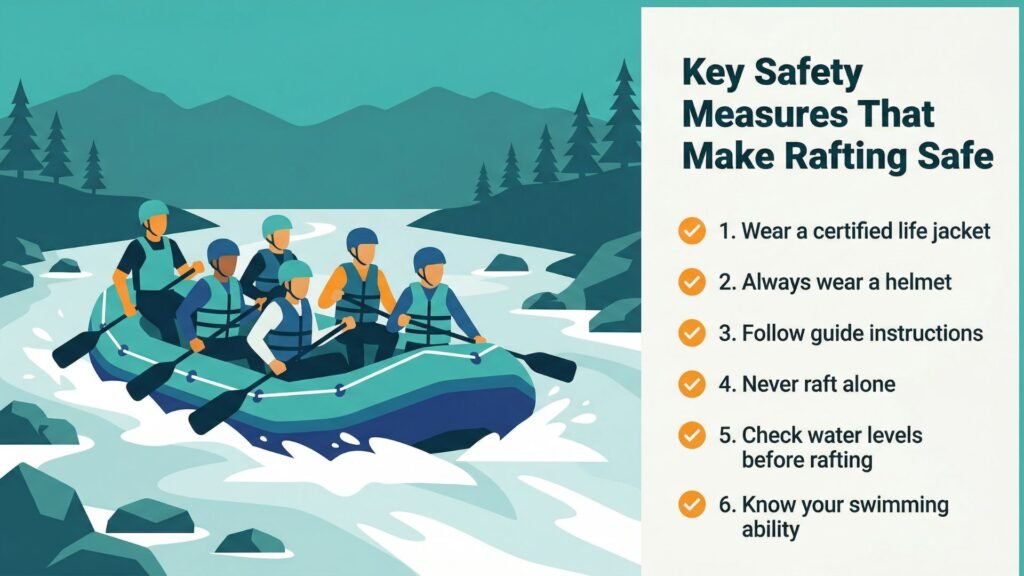
Key Safety Measures That Make Rafting Safe
Pre-Rafting Safety Briefings
Before launching, comprehensive briefings cover all safety protocols — from paddling commands to rescue positions and emergency scenarios. These 15–20 minute sessions help beginners stay calm and confident throughout their rafting journey.
Quality Safety Equipment
Safety gear plays a huge role in ensuring River Rafting in Rishikesh remains a safe activity for all:
- Life Jackets: High-buoyancy jackets ensure even non-swimmers stay afloat.
- Helmets: Impact-resistant helmets protect against bumps from rocks or paddles.
- Rafts: Commercial-grade rafts with multiple air chambers prevent deflation even if one section is punctured.
Route Selection Based on Skill Level
Rishikesh offers rafting routes for every experience level:
- Easy Routes (Grade I–II): The Marine Drive run (9 km) is perfect for beginners and families.
- Intermediate (Grade II–III): The 16 km Shivpuri stretch is the most popular, offering moderate rapids and pure excitement.
- Advanced Routes (Grade III–IV): From Kaudiyala, these routes are for experienced rafters with good fitness levels.
If you’re seeking variety, try combining rafting with other safe adventure sports like Zip Line in Rishikesh — a thrilling yet beginner-friendly option that offers spectacular views over the Ganga.
Weather and Seasonal Safety Considerations
Seasonal changes greatly impact the safety of rafting in Rishikesh:
- Best Season (October–June): Ideal water levels, pleasant weather, and clear visibility make these the safest months.
- Monsoon (July–September): Reputable operators like Trillblaze suspend operations during heavy rains to prevent risk.
- Daily Weather Checks: Trips are postponed in case of thunderstorms or high water currents.
What Makes an Operator Safe vs. Risky
Not all operators follow the same standards — so choose wisely when booking River Rafting in Rishikesh.
Red Flags (Risky Operators)
- Extremely cheap fares (below ₹500 for 16 km)
- Worn-out equipment
- Untrained guides
- No safety briefing
- Operating during monsoon
Green Flags (Safe Operators)
- Transparent pricing
- Certified and well-maintained gear
- Professional, licensed guides
- Safety briefings before launch
- Backup teams and emergency plans
Operators like Trillblaze exemplify these best practices — maintaining safety-first policies while keeping the adventure affordable.
Medical Preparedness and Emergency Response
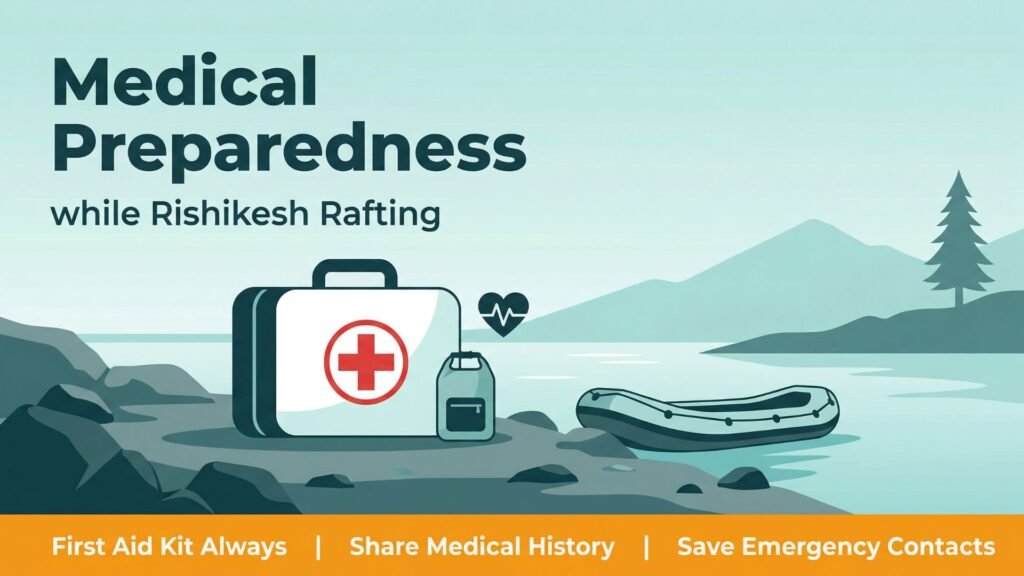
Every professional rafting company in Rishikesh maintains:
- On-Site First Aid: All guides are trained in CPR and first aid.
- Emergency Evacuation Plans: Predefined routes, hospital contacts, and communication systems ensure prompt response.
- Medical Access: Most rafting routes are within 30–45 minutes of hospitals familiar with adventure-related cases.
Why Rishikesh Remains One of India’s Safest Rafting Destinations
Still wondering, “Is Rishikesh safe?” Here’s why:
- Government Oversight ensures only licensed operators can run trips.
- Competitive Standards push companies to prioritize safety innovations.
- Experienced Industry — decades of rafting operations have refined best practices.
- Easy Accessibility — Rishikesh’s proximity to the city allows for quick medical or rescue assistance.
Apart from rafting, if you crave more adrenaline, try Bungee Jumping in Rishikesh, Giant Swing Rishikesh, or the SCAD Jump in Rishikesh — all operated under strict safety regulations and professional supervision.
Frequently Asked Questions
1. Is Rishikesh rafting safe for non-swimmers?
Yes. Even non-swimmers can enjoy River Rafting in Rishikesh safely, as life jackets provide sufficient buoyancy and guides are trained in rescue techniques.
2. How physically fit should I be?
Moderate fitness is enough. Avoid rafting if you have heart issues, back problems, or recent surgeries.
3. Is Rishikesh river rafting risky?
With professional operators like Trillblaze, the risks are minimal — even lower than many other adventure activities.
4. What is the injury rate?
Less than 0.5% — mostly minor scrapes or bruises. Serious accidents are extremely rare.
5. How is kayaking different from rafting?
Kayaking is solo and skill-based, while rafting involves a group with a guide. For beginners, river rafting is safer and easier to start with.
In Summary
River Rafting in Rishikesh is not just safe — it’s one of the most well-regulated, professionally managed adventure sports in India. With certified guides, reliable gear, and proper training, you can enjoy the rapids with complete peace of mind. And if your thrill doesn’t end there, explore other safe yet exciting activities like Bungee Jumping in Rishikesh, Giant Swing Rishikesh, SCAD Jump in Rishikesh, and Zip Line in Rishikesh — all designed for those who love adventure with safety at heart.